Behind the Diagnosis

When your child is given a diagnosis like esophageal atresia, duodenal atresia, or VACTERL association, you’re thrown into a world of medical terms, acronyms, and uncertainty. It can feel overwhelming, isolating, and deeply confusing.

This section is here to change that.

In Behind the Diagnosis, I share clear, parent-friendly explanations of complex conditions — from a medical degree, but also from lived experience. I break down what these diagnoses mean, how they affect daily life, and what we’ve learned through our journey with Imani.

Whether you’re a new parent facing one of these diagnoses, or a loved one trying to understand what your family is going through — you’re in the right place.

Let’s lift the curtain on the medical world — together.

Imani NICU 3

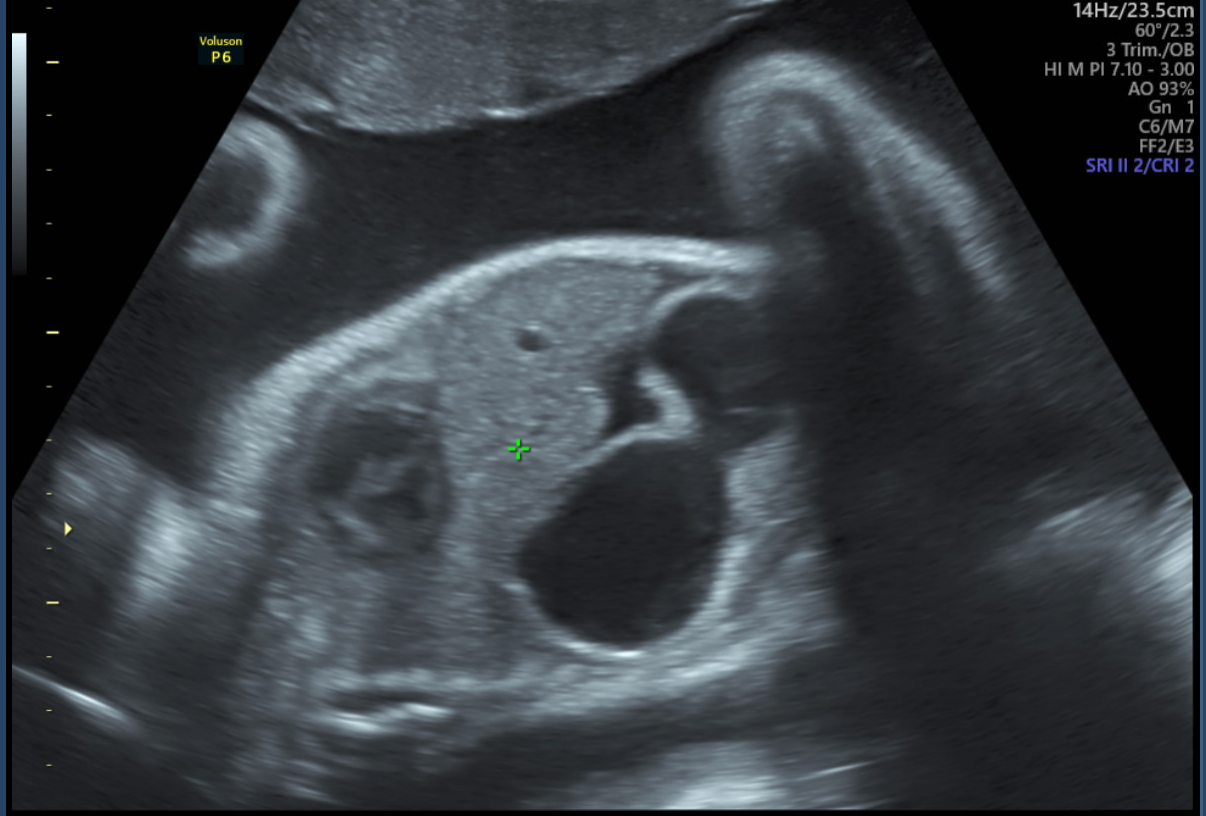
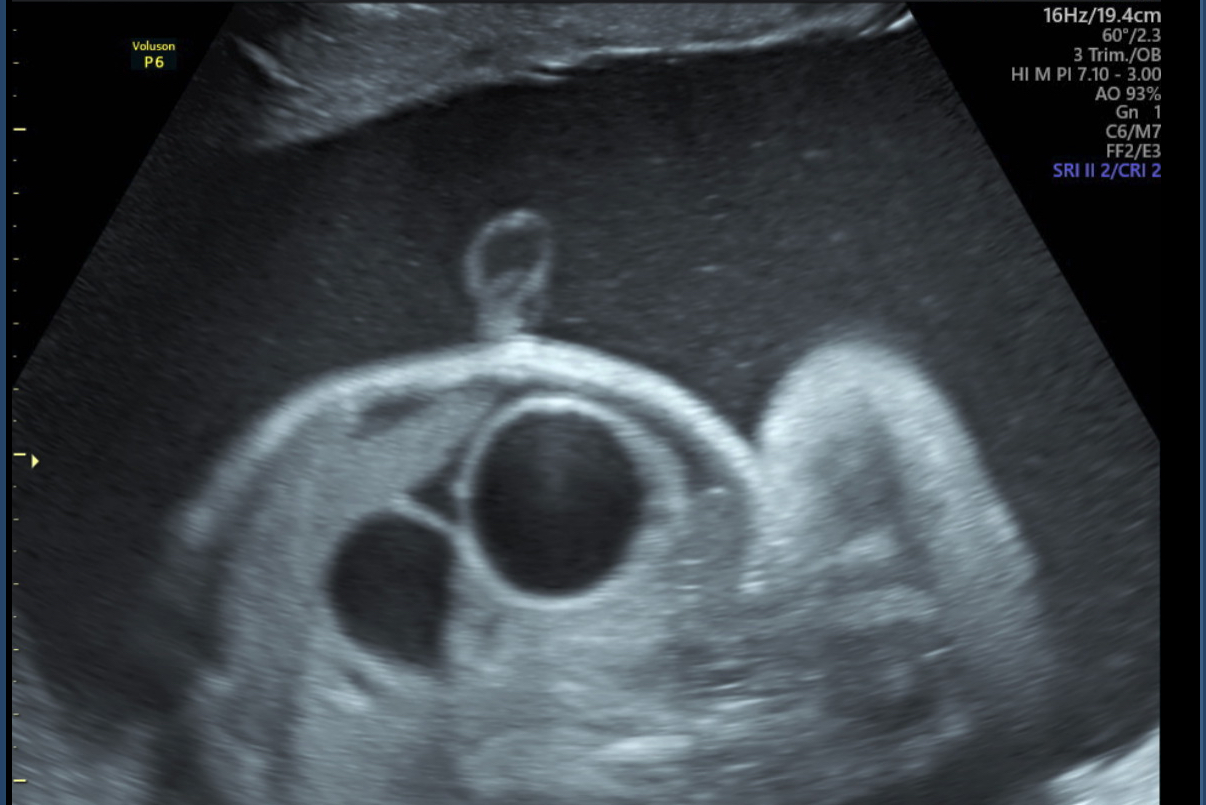
Imani’s ultrasound: Tap the image above to learn more about this condition

Duodenal Atresia


A gentle explanation for parents who’ve just heard the words

When your baby is born and something isn’t quite right, you enter a world you never expected to be part of. A world filled with medical terms, unfamiliar equipment, and questions you didn’t think you’d ever have to ask.

One of those terms might be duodenal atresia. And if it is, you’re not alone. You’re not expected to understand everything right away.

Let me help you begin.


What is duodenal atresia?

Duodenal atresia is a condition some babies are born with. It means that the first part of their small intestine, called the duodenum, didn’t form completely. There is a blockage that makes it impossible for food or fluid to move from the stomach into the intestines.

Because of that blockage, babies with duodenal atresia often vomit shortly after feeding. The vomit can be green, due to bile. Some babies are diagnosed during pregnancy through ultrasound. Doctors may see a swollen stomach and duodenum — also called the “double bubble.”


How is it treated?

Duodenal atresia cannot fix itself. It always requires surgery. A pediatric surgeon will connect the two healthy parts of the intestine so that milk and food can pass through again. This surgery usually happens in the first few days after birth.

After surgery, your baby may not eat right away. Instead, they may receive nutrition through an IV while the body heals. When the time is right, feedings are started slowly, often with a feeding tube. Recovery takes time, but most babies do very well.


What does this mean for you?

This is a lot to take in. One moment you’re picturing quiet feedings and newborn snuggles, and the next, you’re talking about hospitals, surgery, and long nights.

If you’re scared, that’s okay. If it hurts, that’s normal. And if you feel like you don’t know how to do this — know that I felt the same.

But you will learn. You will hold your baby through it all. You’ll ask the right questions. You’ll be stronger than you thought possible.

Your baby is more than their diagnosis. And you are more capable than you feel right now.

Esophageal Atresia

A gentle explanation for parents navigating the unexpected

When your baby is born and feeding becomes a struggle, you may hear a term you’ve never encountered before — esophageal atresia. It’s okay if it feels overwhelming at first.

Esophageal atresia means that the esophagus, the tube that carries food from the mouth to the stomach, didn’t form completely. Instead of being one continuous passage, it stops or connects incorrectly. This makes normal swallowing impossible.

In many cases, there is also a connection between the esophagus and the windpipe — a condition called a tracheoesophageal fistula. This can allow milk or saliva to enter the lungs, making it dangerous to feed without proper treatment.

How is it diagnosed?

Doctors often notice signs of esophageal atresia shortly after birth. Your baby might drool a lot, cough or choke when trying to feed, or have trouble breathing. Sometimes, it’s diagnosed during pregnancy with a prenatal ultrasound.

How is it treated?

Surgery is the only way to correct esophageal atresia. A pediatric surgeon will reconnect the two ends of the esophagus or repair the connection with the trachea if needed. This is typically done in the first days of life.

Your baby may need a feeding tube at first and may not eat by mouth right away. Recovery can take time, and follow-up care is important. Many babies go on to eat and grow well after surgery, though some may need extra feeding support along the way.

You are not alone

This diagnosis can feel like your world has shifted. It’s normal to feel afraid, lost, or heartbroken. But you are not alone. There are other parents who have walked this path — and you will find your strength too.

You will learn how to care for your baby in ways you never imagined. You will become their greatest advocate. And you will celebrate every sip, every smile, every step forward.

Your baby is more than their diagnosis. And you are more resilient than you know.

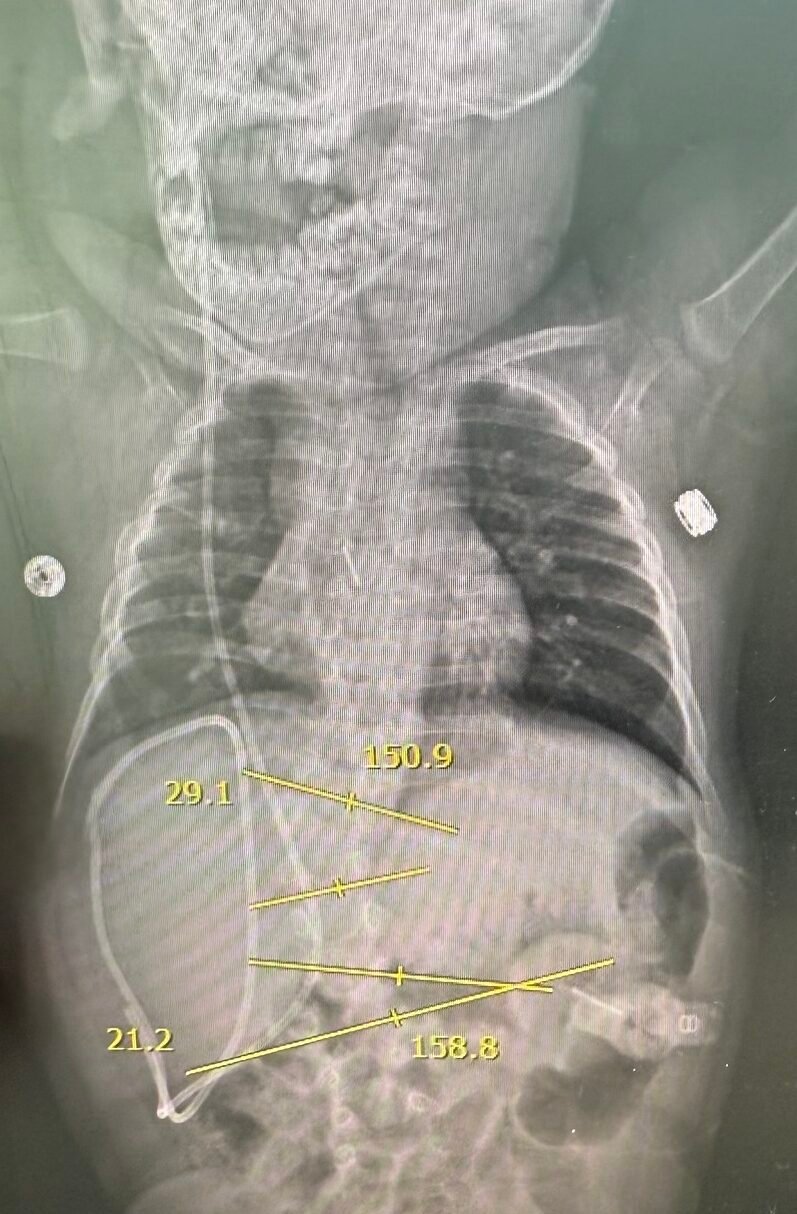
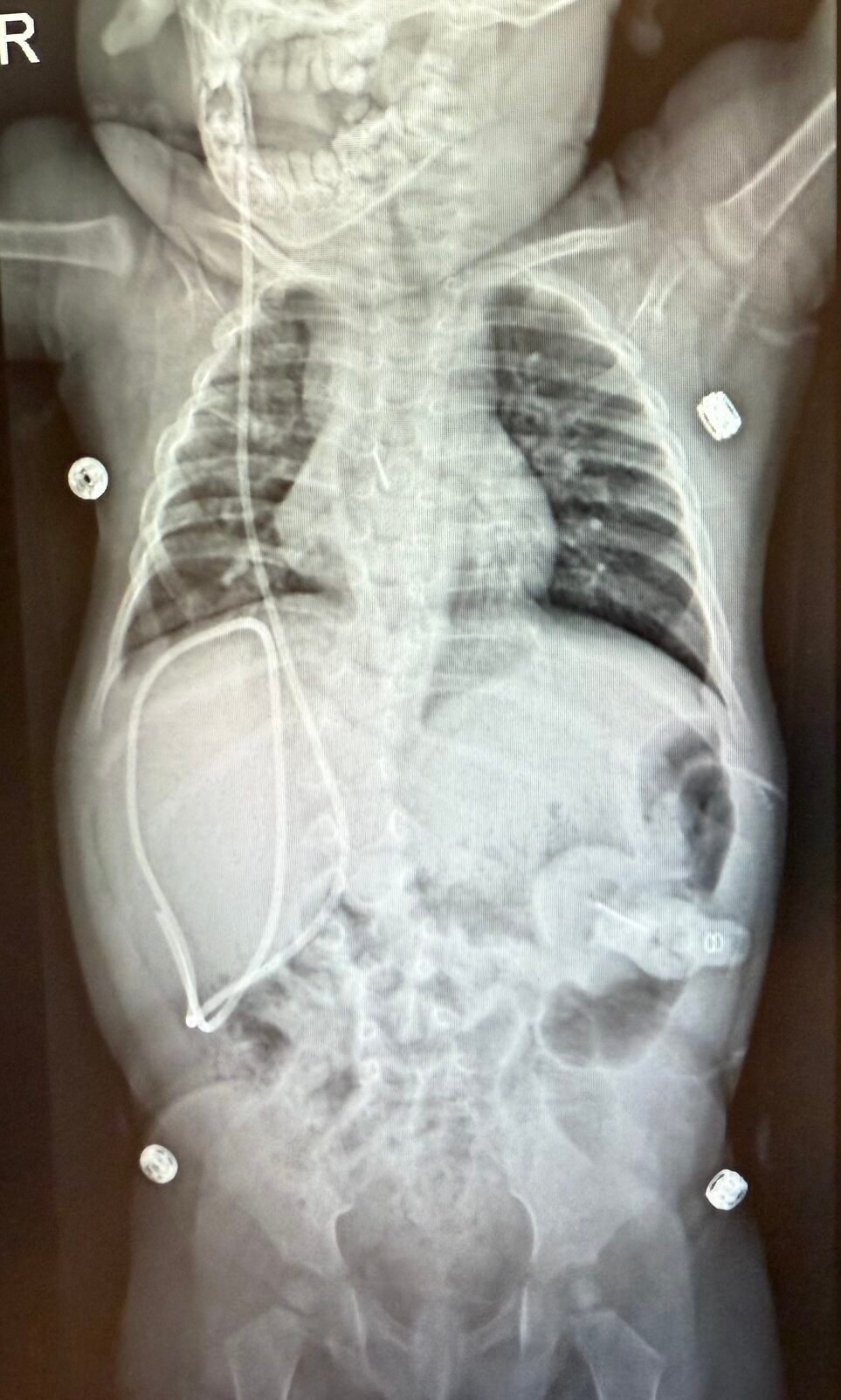
Esophageal Atresia Info

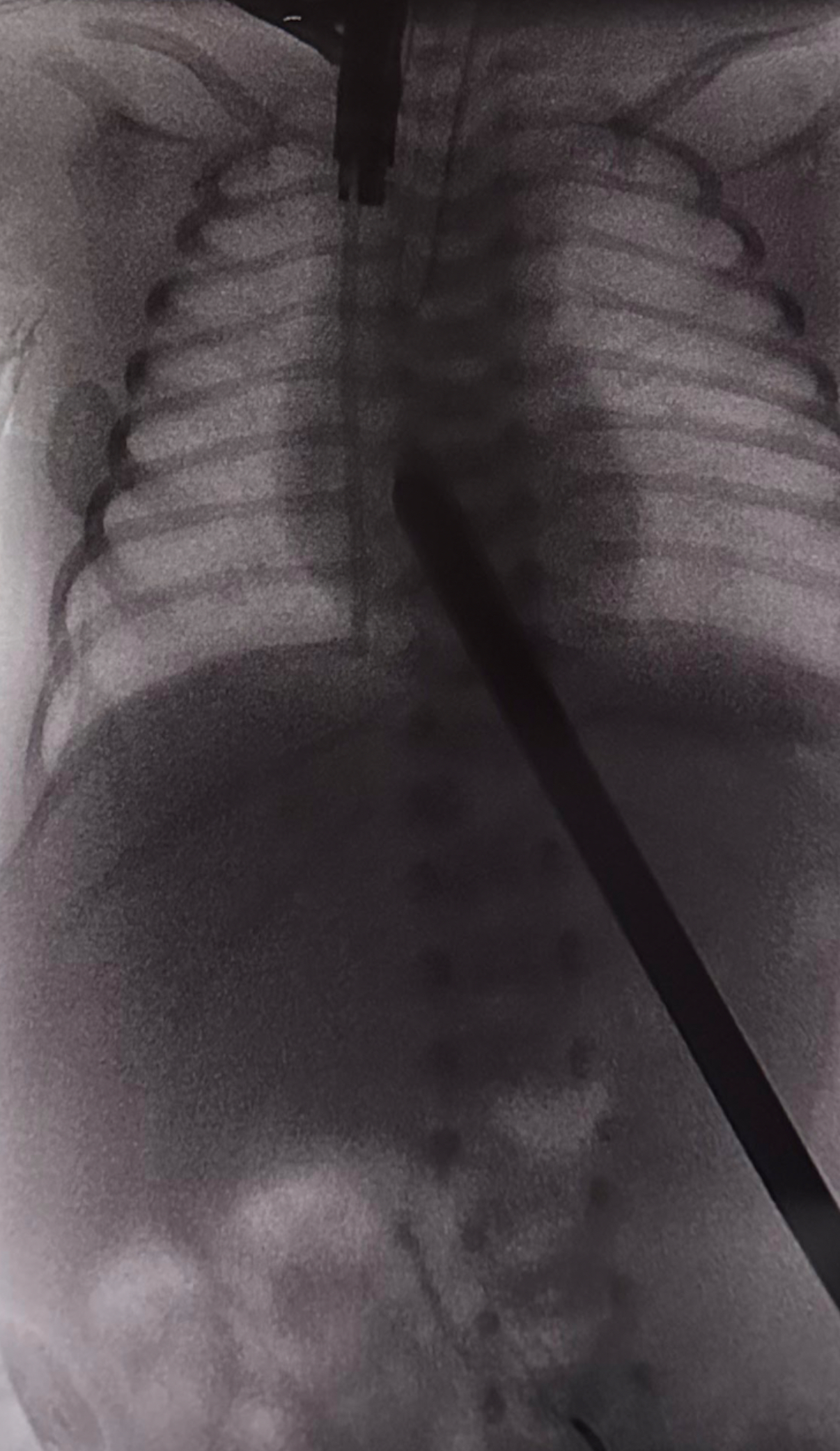
Imani’s XRAY: Tap the image above to learn more about this condition

Types of Esophageal Atresia

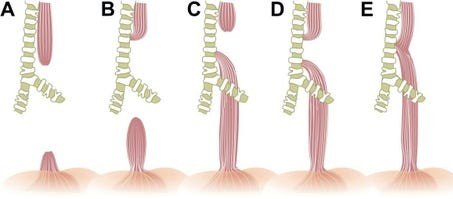
Tap the image above to learn more about the different types

Types of Esophageal Atresia

Understanding the different forms, in simple words

When doctors diagnose esophageal atresia, they often describe it by “type.” Each type explains how the esophagus is affected and whether there’s a connection to the trachea (windpipe). Knowing the type helps guide the treatment and surgery plan.

Type A – Pure Esophageal Atresia

This is the type Imani had. The esophagus doesn’t connect at all. Both ends stop in blind pouches and there is no connection to the windpipe. It’s a rarer form and often requires a longer or staged repair.

Type B – Upper Fistula

The upper esophagus connects to the windpipe, but the lower part ends blindly. This type is extremely rare.

Type C – Most Common

The upper part ends in a pouch, while the lower part connects to the trachea. This type can cause milk to enter the lungs and needs quick surgical repair.

Type D – Both Ends to Trachea

In this rarest form, both the upper and lower esophagus connect to the windpipe. Breathing and feeding problems are common right after birth.

Type E – H-Type Fistula

Here, the esophagus is connected normally, but there’s an abnormal passage between it and the windpipe. It can cause coughing and infections and is sometimes diagnosed later.

Knowing your baby’s type gives clarity — it helps you ask the right questions and understand what’s next. No matter the type, you are not alone, and your baby can overcome this with the right care.

Understanding VACTERL

And how it became part of Imani’s journey

Sometimes, when a baby is born with more than one medical issue, doctors begin looking at the bigger picture. That’s when you might hear the word VACTERL — not a disease, but a pattern of conditions that tend to occur together.

VACTERL stands for:

  • V – Vertebral anomalies
  • A – Anal malformations
  • C – Cardiac defects
  • TE – Tracheo-esophageal abnormalities
  • R – Renal (kidney) issues
  • L – Limb differences

To receive a VACTERL diagnosis, a child typically has at least three of these features. In Imani’s case, she had:

  • TE: Esophageal atresia at birth
  • V: Two hemivertebrae in her spine
  • A: Duodenal atresia – a blockage in the first part of her small intestine, which also required early surgical repair

Right now, her spine doesn’t limit her. But doctors expect she might need spinal surgery around age six to help guide its growth. Until then, she’s being monitored by a pediatric orthopedic team — and is thriving day by day.

If you’re just hearing the word VACTERL for the first time, it can feel like a lot. But you don’t have to figure everything out at once. You’re not alone in this. You’ll grow stronger alongside your child — just like we did, and still do, with Imani.

Imani - VACTERL

Imani’s Spine XRAY: Tap the image above to learn more about VACTERL

Imani - VACTERL

Imani smiling

A Thought for Future Parents

Sometimes, I find myself thinking back — to a time before Imani. Before the long hospital days and unfamiliar diagnoses. Back when we were just two people dreaming of becoming parents.

If I could speak to that version of myself, I’d still say that every child is a gift. That no diagnosis could ever lessen the love you’ll feel. But I’d also gently offer something else — something we didn’t know yet: It’s okay to ask questions. Even before there’s a reason to.

Our journey took turns we never could have expected. We stepped into parenthood with open hearts, but little knowledge of what lay ahead. Esophageal atresia, duodenal atresia — words that soon became part of our everyday life. And yet, even with the fear and uncertainty, the love only grew stronger.

Tips for Future Parents

If you’re reading this and hoping to become a parent someday — or if you’re already expecting — I want to gently share something I wish we had considered earlier.

During Imani’s medical journey, it was discovered that both my husband and I are carriers of a rare genetic condition called Joubert Syndrome. We had no known family history. It was a complete surprise.

Doctors can’t say with certainty whether this condition caused Imani’s esophageal and duodenal atresia. But had we done genetic carrier screening before trying to conceive, we might have discovered this earlier. Could it have changed the outcome? We’ll never know. But it might have helped us prepare — emotionally, mentally, medically.

This isn’t about fear. It’s about awareness.

If you’re planning to start a family — no matter your age, health, or background — consider asking your doctor about genetic carrier screening. It’s a small step, but it can bring clarity and peace of mind. You don’t have to wait for something to go wrong before taking action.

Every child is a miracle. Imani reminds us of that every day.

Want to learn more about Joubert syndrome?
Johns Hopkins (EN)
UZ Leuven Kinderneurologie (NL)

Scroll to Top