Some stories begin softly, almost unnoticed.
Ours began in silence, surrounded by beeping machines, under harsh neon lights in a hospital room where time seemed to stand still. When Imani finally came home, it felt as if we had stepped into a new life, one where joy and fear, hope and despair, would constantly exist side by side. What followed were weeks of discovery, worry, and relentless battles, but also a love deeper than anything I had ever known.
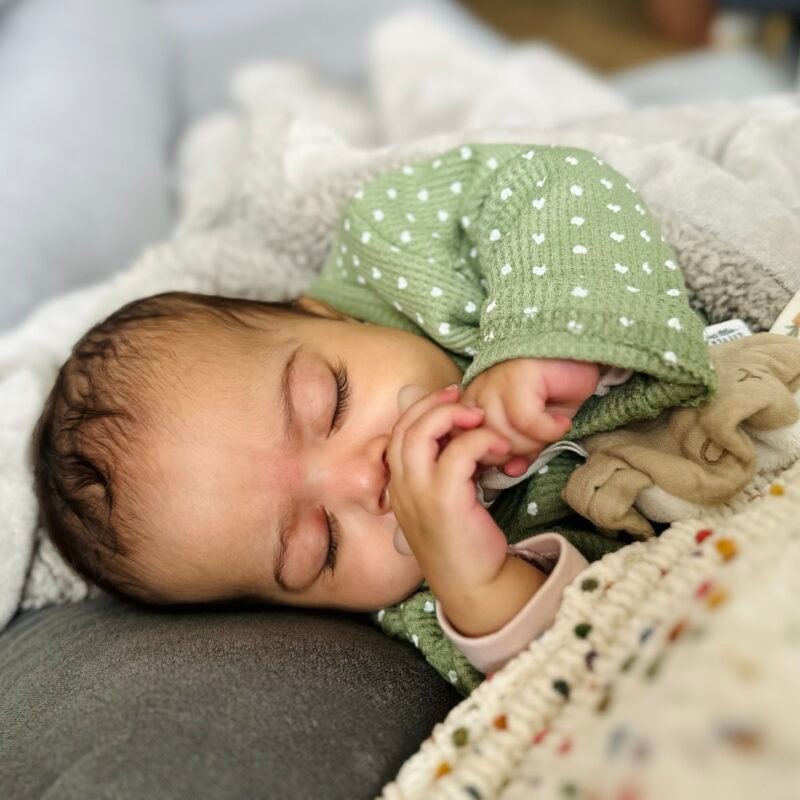
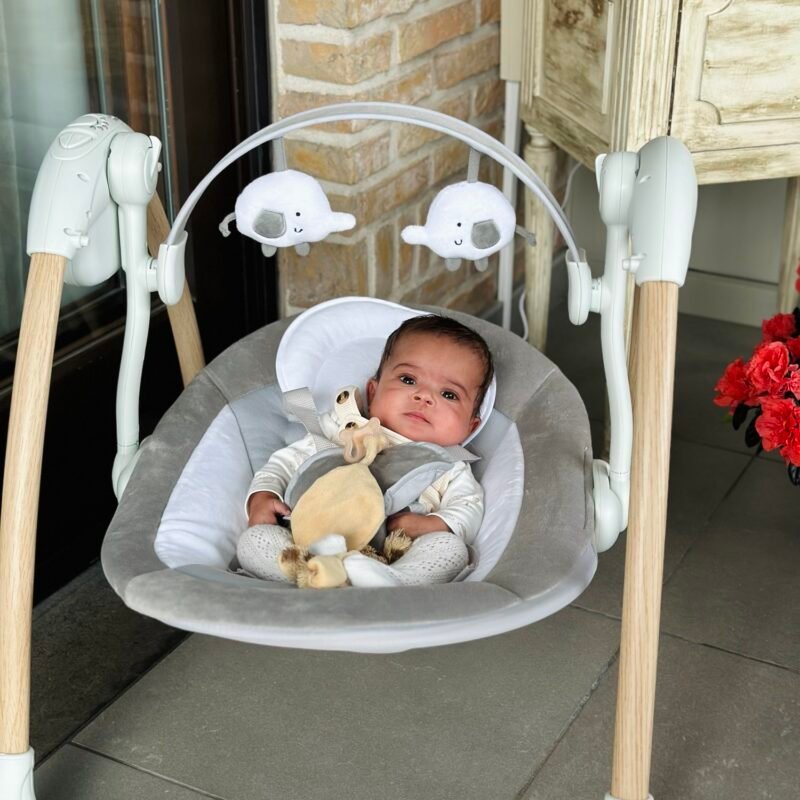
The first weeks at home with Imani felt like stepping into another world. After six long months in a hospital room, she was finally home. For her, everything was new: the scent of our house, the filtered daylight through the curtains, the sounds from outside. It was as though she was seeing the world for the very first time.
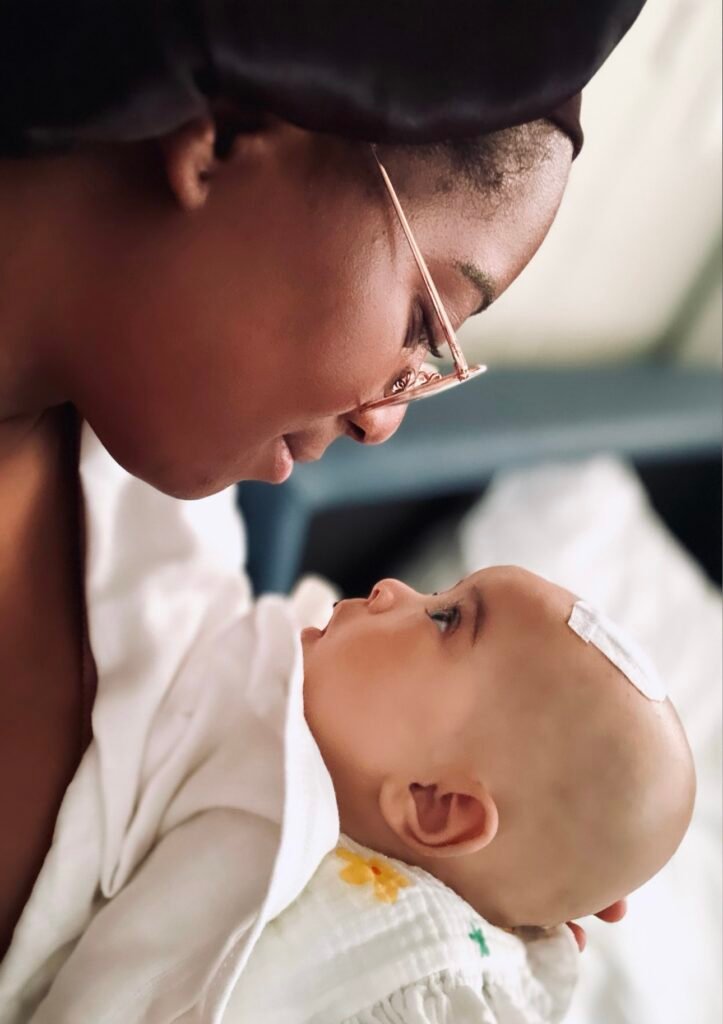
She had nursed at my breast before, but doing so at home felt profoundly different. There were no machines, no alarms, just quiet intimacy. That simple, ordinary moment I had dreamed of for so long was finally ours. It felt like coming home, not just for her, but for me too.
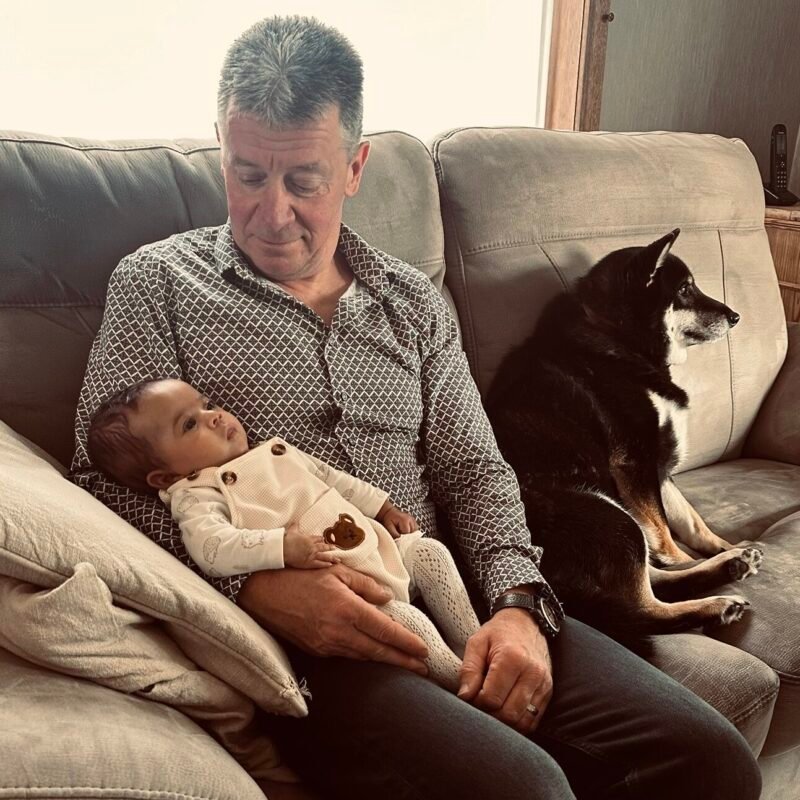
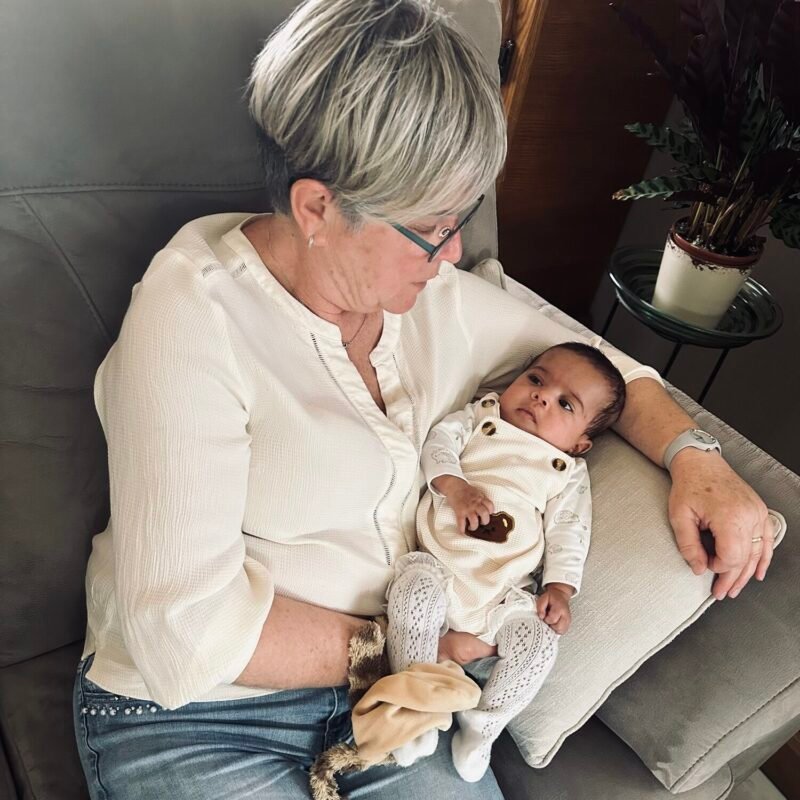
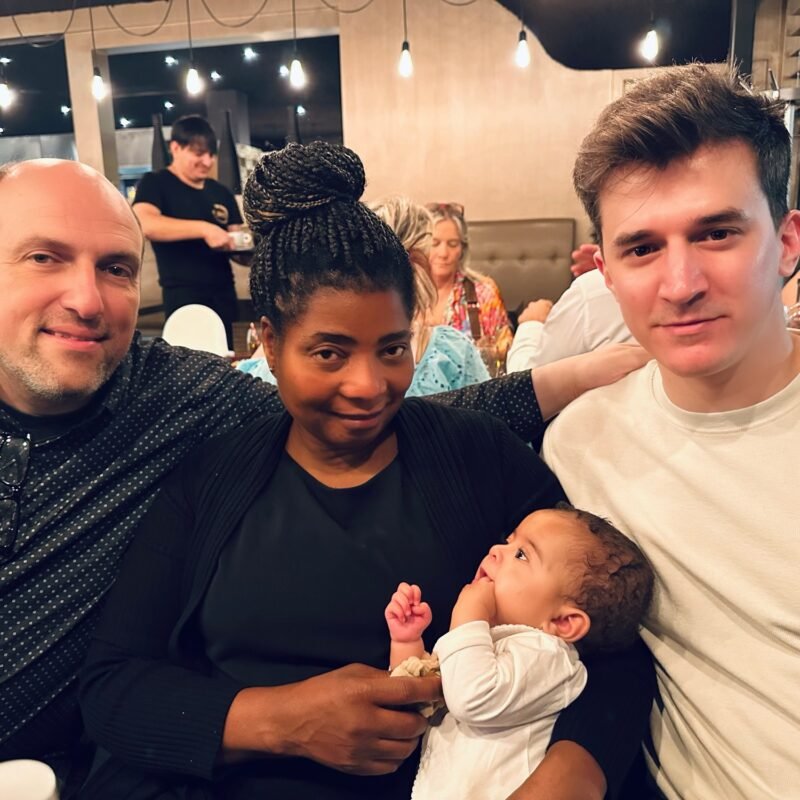
We savored the smallest things. On sunny days, we walked together, and I watched her wide-eyed wonder at the light, the breeze, the whispering leaves. We visited her grandparents; it was her first time seeing their home. Around that time, she began Bobath therapy, with additional physiotherapy at home. Imani was so small, so fragile, more like a newborn than a six-month-old. Every new glance, every tiny movement felt like a victory.
But peace was short-lived…
We noticed her weight had stalled. Doctors suggested fortifying my breast milk with BMF, a high-calorie powder. It meant pumping after every feed, giving her milk through her feeding tube, which left her too full to nurse. Soon after, she began vomiting after bottle feeds, struggling to breathe. My mother instincts told me: her esophagus had narrowed again.
Less than a month home, we were back in the hospital. An X-ray confirmed it, and she was dilated under anesthesia that same day.
This became our pattern. Each dilation meant starting over. Imani had to relearn how to drink, only to be met with fear and pain again. She refused the breast, she kept losing weight. Eventually, we turned to high-calorie formula (Infantrini) through her gastronomy tube. It marked the end of my breastfeeding dream. Months of pumping, hoping, trying and finally, I couldn’t do it anymore. With a heavy heart, I let go.
Around then, we noticed her fontanelle was bulging. She slept almost constantly, had no energy, and was weak. I tried to reassure myself she was still so small, still healing. But two days later, I couldn’t shake my worry. We went to her pediatrician, who sent us straight to the hospital.
An ultrasound showed a mild brain bleed and fluid around her brain. We already knew about the fluid and old clots from her NICU reanimation, but back then we had been told it would resolve on its own and not to worry. The doctor assured us now that nothing had worsened. Still, something didn’t feel right.
At her next appointment at UZ-Gent, I insisted on further testing. An MRI confirmed my fears: the fluid had increased. Suddenly, everything sped up. Imani needed emergency surgery. She received bilateral subdural-peritoneal drains to relieve the pressure and redirect the fluid to her abdomen.
That day is etched into my memory: my little girl in recovery, half her hair shaved, lying so still. My heart shattered.
Back in her room, I shaved off the rest of her hair myself. It felt like a fresh start, even as I mourned her beautiful curls.
Once home, we exhaled. We prayed for rest, for calm. But soon, swallowing and breathing became a struggle again. Dilations returned first weekly, then every two weeks. Until it went terribly wrong.
On her fifteenth procedure, her esophagus tore. I’ll never forget the surgeons walking into the waiting room to deliver the news. I broke down. “Please not again? How much more must she endure? What now?”
Their answer was a stent, uncommon in babies, but our only option. It would apply gentle pressure to close the tear and stretch the narrowing. She remained fasting for five days, on heavy antibiotics to prevent lung infections. Those days felt endless.
Looking back, it feels like a blur of sterile hallways, sleepless nights, and fragile hope. We survived hour by hour. I learned that strength isn’t loud it’s quiet, hidden in the act of showing up when you feel you can’t.
Imani is our miracle. She endured more in her first year than most do in a lifetime. But she taught me resilience in its truest form and the depths of a parent’s love.
Our story is one of setbacks and hope, sorrow and joy. Above all, it’s about a little girl whose spirit is bigger than her scars and parents who, against all odds, refuse to stop believing in her future.